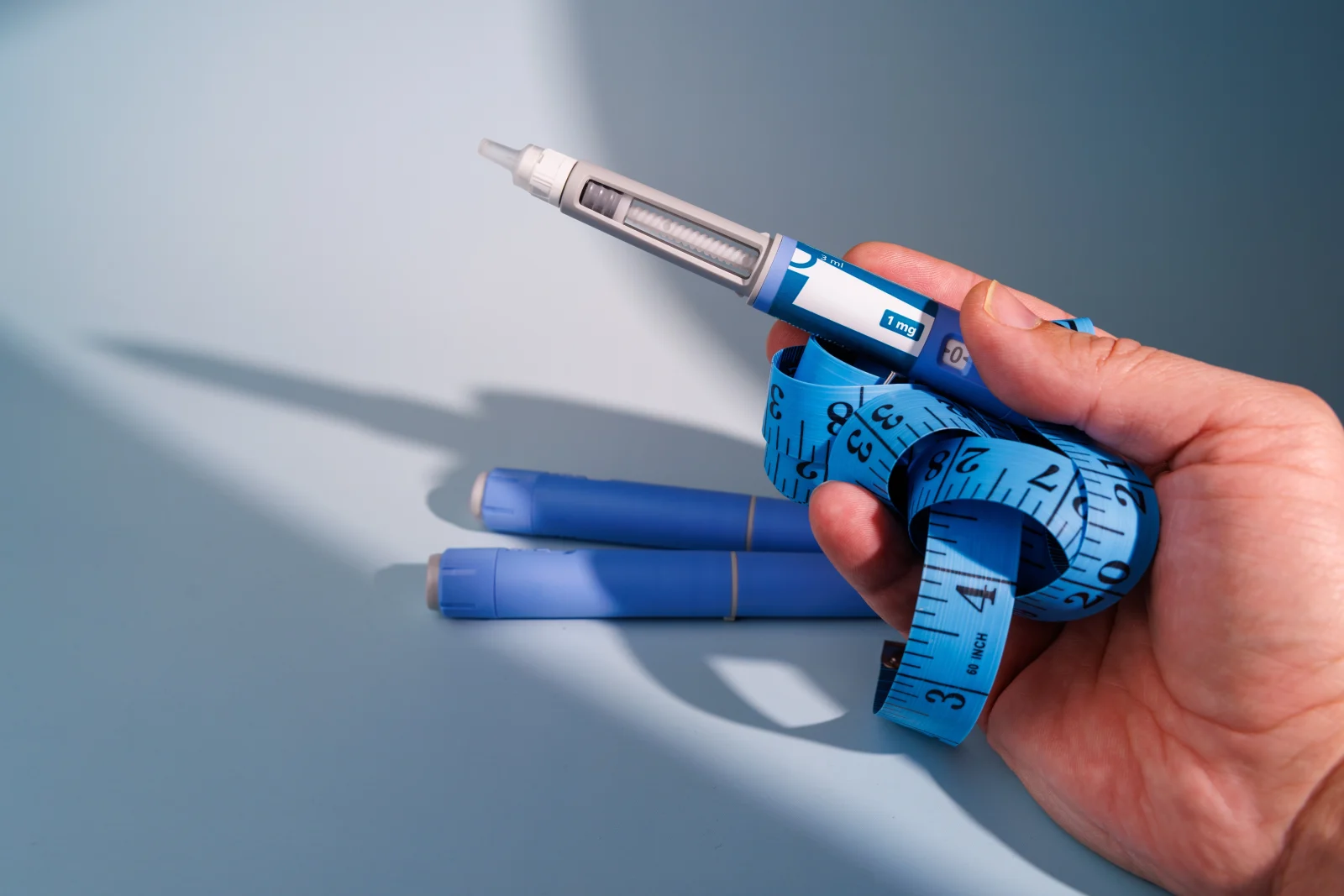
Most semaglutide side effects respond to a small set of habits. Eat smaller meals and stop at the first sign of fullness. Drink fluids steadily throughout the day. Limit greasy, fried, and very sweet foods. Give your body time to adjust before each dose increase. For most patients, these steps ease the stomach symptoms that show up in the first weeks. They also make the medication easier to stay on for the long term.
This guide covers the common side effects, why they happen, and what helps for each one. It also explains when a symptom needs medical attention. We built our semaglutide program around personalized protocols and ongoing support, so the advice here reflects what we discuss with patients as they start and adjust treatment.
Semaglutide is a GLP-1 medication that supports appetite regulation and metabolic processes. You can read more about how we use it on our Semaglutide. Like any medication that changes how your body handles food, it can cause side effects. Most of these involve the digestive system.

For many patients, the side effects are mild to moderate. They tend to appear early in treatment or shortly after a dose increase. They often fade as the body adjusts. Some patients notice very little. Others have a rougher first few weeks.
Knowing what to expect matters. Patients who understand why a symptom happens are more likely to manage it well and stay consistent with treatment. That consistency is a big part of reaching long-term weight goals.
Semaglutide works by activating GLP-1 receptors. These receptors help control appetite, blood sugar, and how fast food moves through your stomach.
One of the main effects is slower stomach emptying. Food stays in your stomach longer, which helps you feel full sooner and longer. This same effect explains many of the side effects. When food sits in the stomach longer, a large or heavy meal can lead to nausea, bloating, or reflux.
Semaglutide also acts on appetite signals in the brain. Eating less is the goal, but a sudden drop in food and fluid intake can cause fatigue, headache, or dizziness. Changes in how the gut moves food can lead to diarrhea in some people and constipation in others.
This is why dosing usually starts low and rises slowly. A gradual increase gives your digestive system time to adapt. Our provider sets your dose schedule as part of your personalized treatment plan and adjusts it based on how you respond.
Below are the side effects patients report most often. Many people experience only one or two of these, and many find they fade within a few weeks.

Nausea is the most common side effect. It often shows up in the first weeks and after dose increases. It may feel like mild queasiness or a sense that food is “sitting” in your stomach. Eating too much or too fast usually makes it worse.
Vomiting is less common than nausea. It most often happens when nausea is not managed or after a large, rich meal. Occasional vomiting can happen early in treatment. Repeated vomiting is a reason to contact your care team.
Some patients have loose stools, especially early on. Fatty or greasy foods can trigger it. Diarrhea usually settles down as your body adjusts. The main concern is fluid loss.
Constipation is also common. Slower digestion, eating less food overall, and drinking less water can all add up. Some patients swing between constipation and diarrhea in the early weeks.
Mild cramping, fullness, or bloating often comes from food staying in the stomach longer. It tends to be worse after large meals or foods that create gas. Mild discomfort is common. Severe or constant pain is not, and it needs prompt medical attention.
Slower stomach emptying can push stomach acid upward, causing a burning feeling in the chest or throat.
Headaches are often linked to dehydration, lower calorie intake, or skipped meals. They are usually mild and improve as eating and drinking habits settle into a steady routine.
Some patients feel more tired during the first weeks. Eating fewer calories is a common cause. Poor sleep, low fluid intake, and low protein can also add to it.
Dizziness or lightheadedness can come from dehydration, eating too little, or lower blood pressure as weight comes down. It often shows up when standing up quickly.
Extra gas and burping are common because food moves more slowly through the gut. Some patients notice burps with a sulfur smell. Carbonated drinks and certain foods can make this worse.
Hypoglycemia means low blood sugar. Signs include shakiness, sweating, confusion, a fast heartbeat, and sudden hunger. This is one reason a full medical history review matters before starting treatment.
The good news is that most side effects respond well to simple changes. The tips below start with habits that help across the board, then move to strategies for each specific symptom. These are the practical steps behind “Managing Side Effects of Semaglutide: What Helps Most,” and they are what we walk patients through as part of ongoing monitoring and support.
A few habits help with almost every side effect:
Eat smaller meals. Smaller portions are easier for a slower stomach to handle. Aim for several small meals rather than two or three large ones.
Stop at the first sign of fullness. Semaglutide changes your fullness signals. Eating past the point of “satisfied” is the most common trigger for nausea and discomfort.
Eat slowly. Put your fork down between bites. Give your brain time to register that you are full.
Stay hydrated. Sip water throughout the day. Many patients drink less without noticing because they feel less hungry and thirsty.
Limit fatty, fried, and very sugary foods. These are harder to digest and are linked with nausea, diarrhea, and reflux.
Prioritize protein. Lean protein helps maintain muscle and energy while you eat less overall.
Keep a simple log. Note what you ate, when symptoms appeared, and how strong they were. Patterns often show up within a week or two.
Follow your dose schedule. Do not increase your dose faster than prescribed. If side effects are hard to manage, your provider may hold or adjust your dose.
Nausea usually responds well to how and what you eat.
Choose bland, simple foods when you feel queasy. Toast, crackers, rice, plain potatoes, and broth are often easier to tolerate.
Eat cold or room-temperature foods. They tend to have less smell, and strong smells can trigger nausea.
Avoid lying down right after eating. Stay upright for at least 30 minutes.
Try ginger or peppermint tea. Many patients find these settling.
Get fresh air or take a short walk after meals.
Do not skip meals completely. An empty stomach can make nausea worse for some people.
If nausea is still strong after these changes, let your care team know. Your provider can review whether your dose or schedule needs adjustment.
Vomiting usually follows nausea that has built up, so the nausea tips above are your first line of defense.
After vomiting, rest your stomach for a short time. Then start with small sips of water or an electrolyte drink.
Reintroduce food slowly. Start with a few bites of something bland.
Avoid large meals for the rest of the day.
Watch for signs of dehydration, such as dark urine, dry mouth, or feeling faint.
If you cannot keep fluids down or vomiting keeps happening, contact your care team. Persistent vomiting can lead to dehydration and needs to be addressed.
The main goal with diarrhea is to replace fluids and calm the gut.
Drink water and electrolyte drinks throughout the day.
Eat simple, low-fat foods such as bananas, rice, applesauce, toast, and plain oatmeal.
Cut back on greasy foods, dairy, caffeine, alcohol, and sugar-free products that contain sugar alcohols. These can make diarrhea worse.
Eat smaller meals spaced through the day.
Mild diarrhea often clears up as your body adjusts. Let your care team know if it lasts more than a few days or comes with signs of dehydration.
Constipation usually improves with more fluid, more fiber, and more movement.
Drink more water. Fiber needs fluid to work.
Add fiber slowly. Good sources include vegetables, berries, beans, lentils, chia seeds, and whole grains. Adding too much at once can cause gas and bloating.
Stay active. A daily walk helps keep digestion moving.
Do not ignore the urge to go.
Ask your care team before using a stool softener or fiber supplement, so it fits your overall plan.
Mild bloating and cramping often ease with changes to portion size and food choices.
Keep portions small, especially at dinner.
Limit foods that commonly cause gas, such as carbonated drinks, beans, broccoli, cabbage, and onions, until you know how your body reacts.
Eat slowly and chew well. This reduces swallowed air.
Take a light walk after meals to help digestion.
Avoid tight waistbands right after eating.
Severe pain is different. Sharp, constant pain in the upper abdomen, especially if it spreads to your back, needs medical attention right away. See the section on when to seek medical advice below.
Reflux symptoms respond well to timing and food choices.
Eat your last meal at least two to three hours before bed.
Stay upright after eating.
Raise the head of your bed slightly if heartburn happens at night.
Limit common triggers such as spicy food, citrus, tomato-based sauces, chocolate, coffee, alcohol, and fried foods.
Eat smaller meals so your stomach is not overly full.
Talk with your care team before starting any over-the-counter heartburn medication. Your provider can confirm it is a good fit with your treatment.
Most semaglutide-related headaches come back to fluids and fuel.
Drink water steadily throughout the day rather than in large amounts all at once.
Do not skip meals. Even with a smaller appetite, eat something at regular times.
Include protein and complex carbohydrates to keep energy steady.
Get enough sleep.
Cut back on caffeine slowly if you plan to reduce it. Sudden caffeine withdrawal can also cause headaches.
If headaches are severe, frequent, or come with vision changes, contact your care team.
Fatigue often improves once eating patterns settle and your body adapts.
Make sure you are eating enough. A lower appetite should not mean eating too little to function.
Build meals around protein and vegetables. These support steady energy.
Stay hydrated. Even mild dehydration can make you feel tired.
Keep a regular sleep schedule.
Stay active with light to moderate exercise. Movement often improves energy rather than draining it.
If tiredness is affecting your work, training, or daily life, share that with your care team. It is a useful signal when your provider reviews your plan.
Dizziness usually ties back to fluids, food, or blood pressure.
Stand up slowly, especially after sitting or lying down for a while.
Drink fluids throughout the day. Electrolyte drinks can help if you have had vomiting or diarrhea.
Eat regular meals, even if they are small.
Sit or lie down right away if you feel lightheaded.
If you take blood pressure medication, let your care team know about any dizziness. As weight comes down, blood pressure needs can change. Fainting or dizziness that does not go away needs prompt medical attention.
Gas and burping usually ease with a few changes.
Avoid carbonated drinks such as soda and sparkling water.
Eat slowly and avoid gulping. Skip straws and chewing gum, which add swallowed air.
Limit gas-producing foods while your body adjusts.
Keep fatty meals small. Rich foods sit in the stomach longer and can lead to sulfur burps.
Walk after meals to help move gas through the gut.
For most patients taking semaglutide alone, low blood sugar is uncommon. Patients who also take insulin or other blood-sugar-lowering medications need a careful plan.
Share your full medication list during your assessment. This allows your provider to plan safely around any diabetes medications.
Do not skip meals.
Know the warning signs: shakiness, sweating, a racing heart, confusion, and sudden hunger.
If you have symptoms, eat or drink a fast source of sugar such as juice or glucose tablets. Then follow with a small snack once you feel better.
If you check your blood sugar at home, keep a record and share it with your care team.
Never change the dose of a diabetes medication on your own. Any changes should go through the provider managing that medication.
You cannot always prevent side effects completely. You can lower the chance they show up and reduce how strong they feel. Prevention starts before your first dose.
Start with a thorough assessment. At RENN Health, every patient starts with an online assessment and a virtual visit. A licensed provider reviews your medical history, current medications, symptoms, and goals.
Follow a gradual dose schedule. Starting low and increasing slowly is one of the most effective ways to limit side effects. Your personalized plan sets this pace. Rushing it often leads to more nausea and digestive upset.
Set up your eating habits early. Begin practicing smaller portions and slower eating as soon as you start. Patients who adjust their habits in the first week often have a smoother experience than those who wait until symptoms appear.
Plan your fluids. Keep a water bottle with you. Set reminders if you tend to forget. Steady hydration helps prevent headache, fatigue, dizziness, and constipation.
Stock helpful foods. Keep bland snacks, lean proteins, fiber-rich foods, and electrolyte drinks on hand. Having them ready makes it easier to respond quickly when a symptom starts.
Be cautious with alcohol. Alcohol can irritate the stomach, add to dehydration, and affect blood sugar. Many patients find they tolerate much less of it while taking semaglutide.
Stay in touch with your care team. We provide ongoing monitoring and support throughout treatment. Reporting symptoms early gives your provider the chance to adjust your plan before a small issue becomes a bigger one.
Consider whether semaglutide is the right fit. Some patients tolerate one GLP-1 medication better than another. We also offer tirzepatide as part of our Medical Weight Loss programs. Your provider can discuss whether a different option makes sense based on your response and goals.
Most side effects are mild and manageable at home. Some symptoms need attention. Knowing the difference keeps you safe.
Contact your care team if you have:
Nausea, vomiting, or diarrhea that lasts more than a few days or keeps you from eating normally
Signs of dehydration, such as dark urine, very little urine, dry mouth, or feeling faint
Constipation that lasts several days despite more fluid and fiber
Frequent headaches or ongoing dizziness
Fatigue that interferes with daily life
Repeated episodes of low blood sugar
Any new symptom that worries you
Seek emergency care right away if you have:
Severe, constant abdominal pain, especially in the upper abdomen or spreading to your back, with or without vomiting
Pain in the upper right abdomen, fever, or yellowing of the skin or eyes
Vomiting that prevents you from keeping any fluids down
Signs of a serious allergic reaction, such as swelling of the face, lips, tongue, or throat, trouble breathing, or a severe rash
Fainting, a very fast heartbeat, or confusion
Severe low blood sugar that does not improve with fast-acting sugar
Our telehealth services are not designed for medical emergencies. If you have a medical emergency, call 911 or go to the nearest emergency department immediately. Once you are safe, let your care team know what happened so your provider can review your treatment plan.
It also helps to tell your care team about any other changes in your health. This includes new medications, new diagnoses, pregnancy or plans to become pregnant, and upcoming surgery. Each of these can affect whether your dose or treatment needs to change.
The answer to “Managing Side Effects of Semaglutide: What Helps Most” comes down to a few consistent habits. Eat smaller, slower meals and stop when you feel full. Drink fluids steadily throughout the day. Limit greasy, fried, and sugary foods. Increase your dose only as prescribed, and report symptoms early so your plan can be adjusted.
Most side effects are strongest in the first weeks and fade as your body adapts. With a personalized protocol and ongoing support from our team, many patients move through this early phase and focus on their long-term goals. To learn more about how we approach care, visit our About.